

Get to know me!
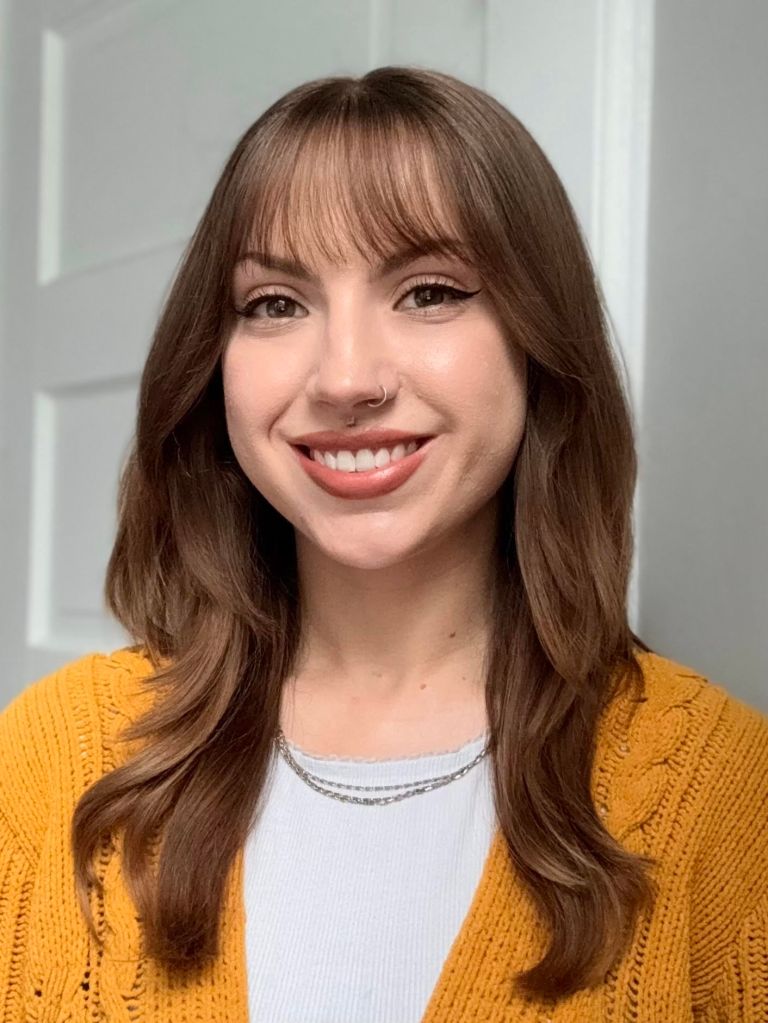
Hi, my name is Emma Blevins. I’m a Licensed Professional Counselor (LPC) in Virginia. I graduated from Eastern Virginia Medical School in 2019 with a dual Master of Science degree in Counseling and Art Therapy. Prior to that, I completed my undergraduate Bachelor of Science degree in Psychology with a minor in Studio Art at Old Dominion University in 2017. I have 8 total years of experience working in the counseling field, and currently I provide outpatient therapy at Coastal Art Therapy Services (CATS) in Norfolk, Virginia.
I’m open to working with all kinds of clients from various backgrounds, but I’m especially passionate about working with the following : neurodivergent individuals (ADHD / autism), teens and young adults (Gen Z / millenials), women and girls, the LGBTQIA+ community, diverse cultural / ethnic backgrounds, immigrants, survivors of trauma or abuse, individuals with mood disorders like depression and anxiety, and those looking to improve stress management, coping skills, and self-care. I value helping marginalized populations and am an active advocate for human rights.
My approach to counseling is fundamentally person-centered, relational, holistic, trauma-informed, neurodiversity and gender affirming, and strengths-based. On an individualized basis that is tailored to each client’s needs, I then draw from cognitive behavioral therapy (CBT), dialectical behavior therapy (DBT), existential, and psychodynamic approaches as needed. I have also been trained in Cognitive Processing Therapy (CPT) for trauma and PTSD, and Radically Open Dialectical Behavior Therapy (RO-DBT) for disorders of overcontrol or overcontrolled coping styles. As of fall 2026, I will return to practicing art therapy as I restart my art therapist residency.
Definition of these approaches:
Person-centered therapy operates on the belief that people are inherently capable of personal growth and reaching goals when provided with empathy, resources, and support. An important part of person-centered therapy involves forming a strong, genuine relationship between client and therapist, so this is a top priority for me. You are the main character, setting your own goals, and my role is as a guide as I walk with you through your personal journey of growth and healing.
Holistic means that I consider your care from multiple angles and address various aspects of your wellbeing to facilitate overall health and tailor treatment to your individual needs.
A trauma-informed therapist understands the profound and complex impact of trauma and aims to promote empowerment, autonomy, safety, and post-traumatic growth.
Neurodiversity and gender affirming approaches recognize and respect that there exists a wide spectrum of expression of different human neurotypes, and likewise, the same applies to gender and sexual orientation.
Strengths-based therapy seeks to help you identify your positive qualities, which we then use to build resilience, promote healthy self-esteem, and solve problems creatively.
Cognitive behavioral therapy (CBT) is a widely used, evidence-based, and goal-focused method to change patterns of thoughts, feelings, and behaviors that keep you stuck.
Existential approaches address the bigger picture of the challenges of existing in our world, mortality, and the sense of meaning or purpose in life.
Psychodynamic therapy is open-ended, with a focus on the unconscious mind, influences from childhood and early development, and patterns in relationships including attachment styles, with goals of increasing insight and self-awareness.
Cognitive processing therapy (CPT) is a structured, evidenced-based, short-term offshoot of CBT that works to change patterns of thoughts, beliefs, emotions, and behaviors that were impacted as a result of trauma and keeping you stuck in nonrecovery from PTSD.
Lastly, Radically Open Dialectical Behavior Therapy (RO-DBT) is a structured, evidence-based, and skill-based therapy that is similar to standard DBT, but with a different focus. It aims to help individuals who are highly controlled, perfectionistic, socially isolated, or socially anxious to increase flexibility in their thinking, behavior, and relationships, improve quality of life, and feel more connected with others. Diagnoses that may be a good fit for RO DBT treatment include treatment-resistant or chronic depression, social anxiety disorder, obsessive-compulsive personality disorder, autism, and anorexia nervosa. As of May 2026, I am teaching an RO-DBT skills class in-person in Norfolk, VA.
If any of the above sounds like the kind of therapy that you’ve always wanted, we may be a great fit! If you’re not sure, that’s OK too- having a therapist that is a good fit for your needs and clicks with your personality is important for therapy to be effective, so please consider what you want out of therapy and any preferences you may have.
My background: I became a therapist because of my own lived experiences of adversity and mental health challenges. I am also neurodivergent, which I find helps me understand and connect especially well with neurodivergent clients. I wanted mental healthcare to become more accessible, effective, and high-quality to those who need it most. This work is more than a career to me- it is deeply meaningful and drives me to be a better person and therapist each day.
In my free time, I spend time with my family and pets (two cats and a dog!) and enjoy hobbies like cooking, making art, listening to music, traveling, reading, anything outdoors, playing Nintendo games (especially Pokémon), watching anime, and going to the gym and concerts.
I hope you will provide the honor of allowing me to walk with you during the darkest times on your path to peace.
Psychotherapy

Psychotherapy is what you may define as traditional talk therapy, with hour-long individual sessions that explore various aspects of your life. Therapy aims for depth, to increase your self-awareness, help you gain insight, and support positive changes to help you reach your goals.
Counseling

Counseling is like psychotherapy, but more focused on a specific problem or subject. Counseling aims to set goals, work toward change, and find solutions, and sometimes is more short-term than psychotherapy. However, the terms “therapy” and “counseling” are frequently used interchangeably.
Art Therapy
Art Therapy is a type of psychotherapy that utilizes the creative process of art-making to facilitate healing and wellness. Art therapy comes in many forms and can be highly personalized to you. It is an excellent method for gaining insight, reducing stress, improving mood, and processing trauma or general life experiences.

